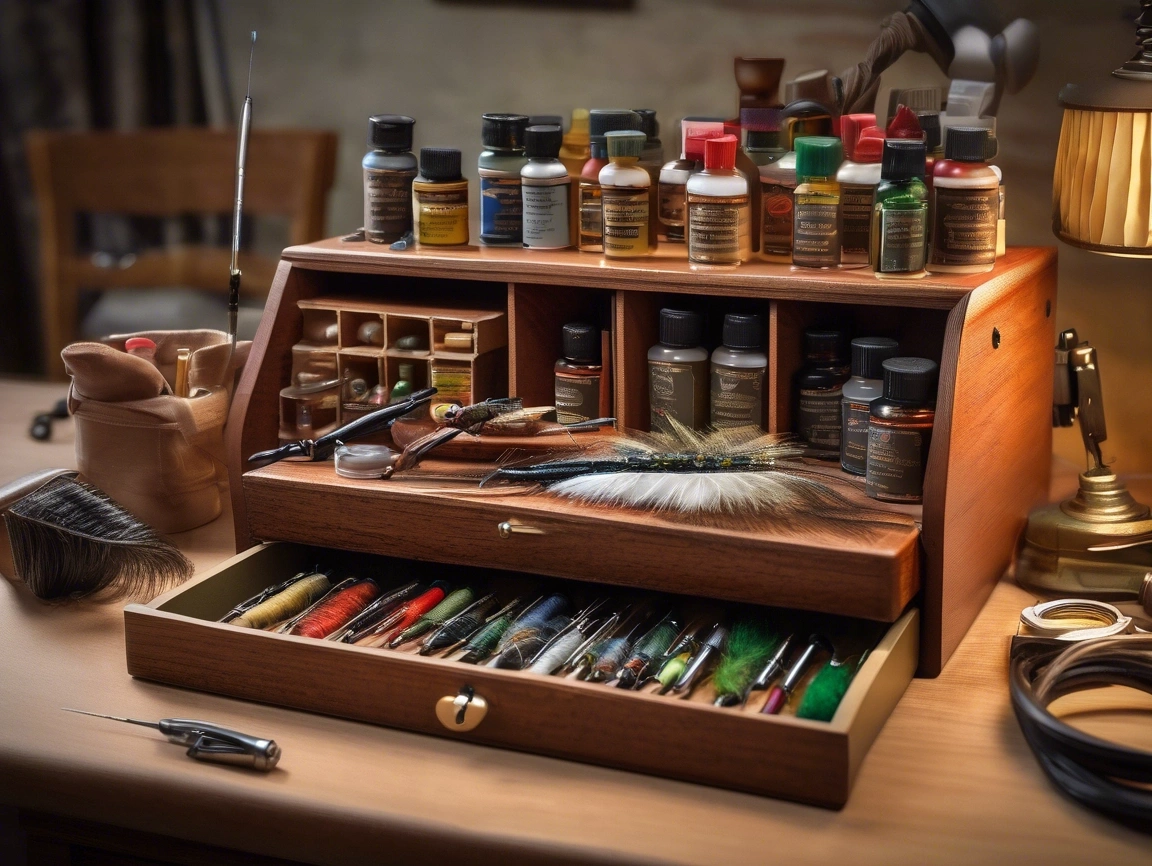
Fly Tying Tools & Accessories
Adhesives: Glues, UV Resin and Head Cement
In fly dressing, UV resins and glues are used for securing materials and creating durable, glossy finishes, with UV resins curing under ultraviolet light.
In fly dressing, UV resins and glues are used for securing materials and creating durable, glossy finishes, with UV resins curing under ultraviolet light.
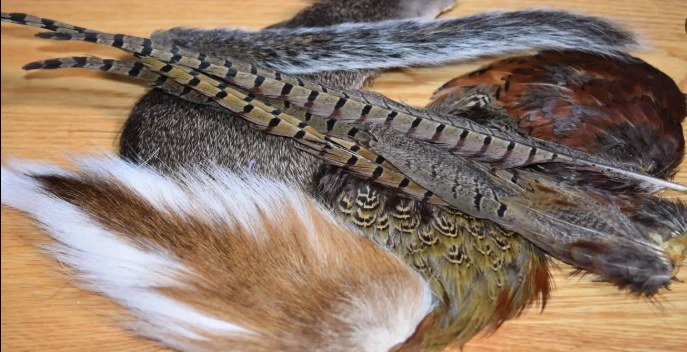
In fly dressing, different hairs and tail feathers are used for various purposes, with some used for tails, wings, and bodies, while others are used for hackle, nymph legs, and bugger tails.
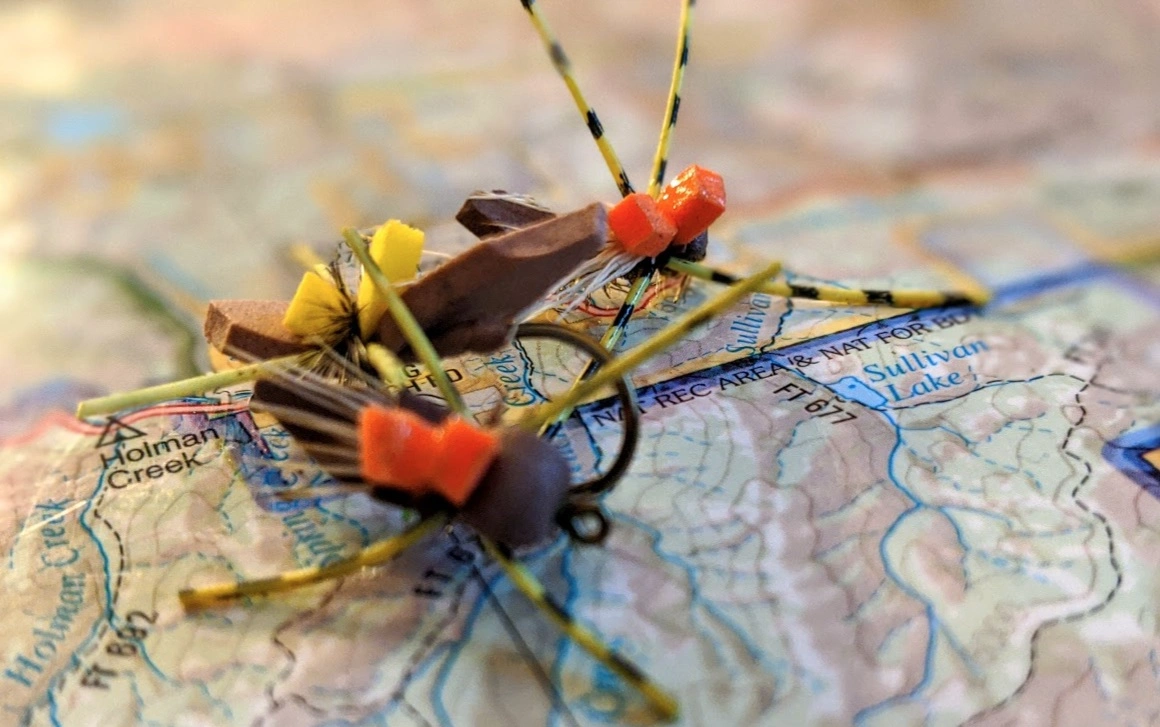
In fly dressing, eyes and legs enhance the realism and action of a fly, with eyes adding visual appeal and legs creating movement and attracting fish. Here’s a breakdown of how they’re used:
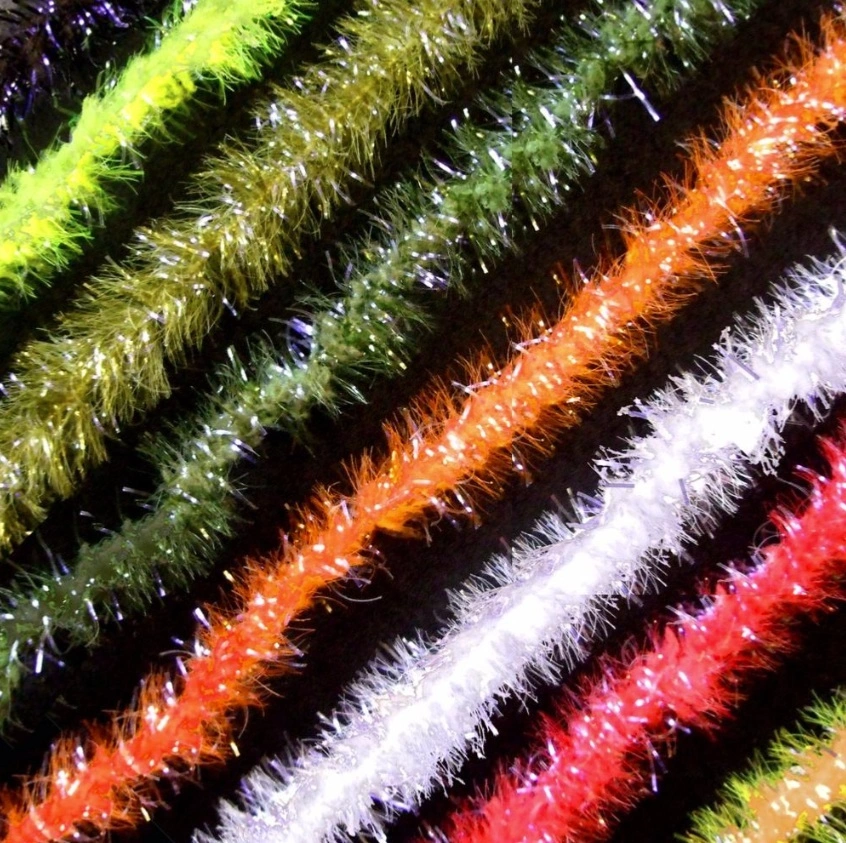
In fly dressing, “Fritz” refers to a popular, versatile chenille material used to create robust, textured, and visually appealing fly patterns, particularly for attractor flies like the Blob and Booby.
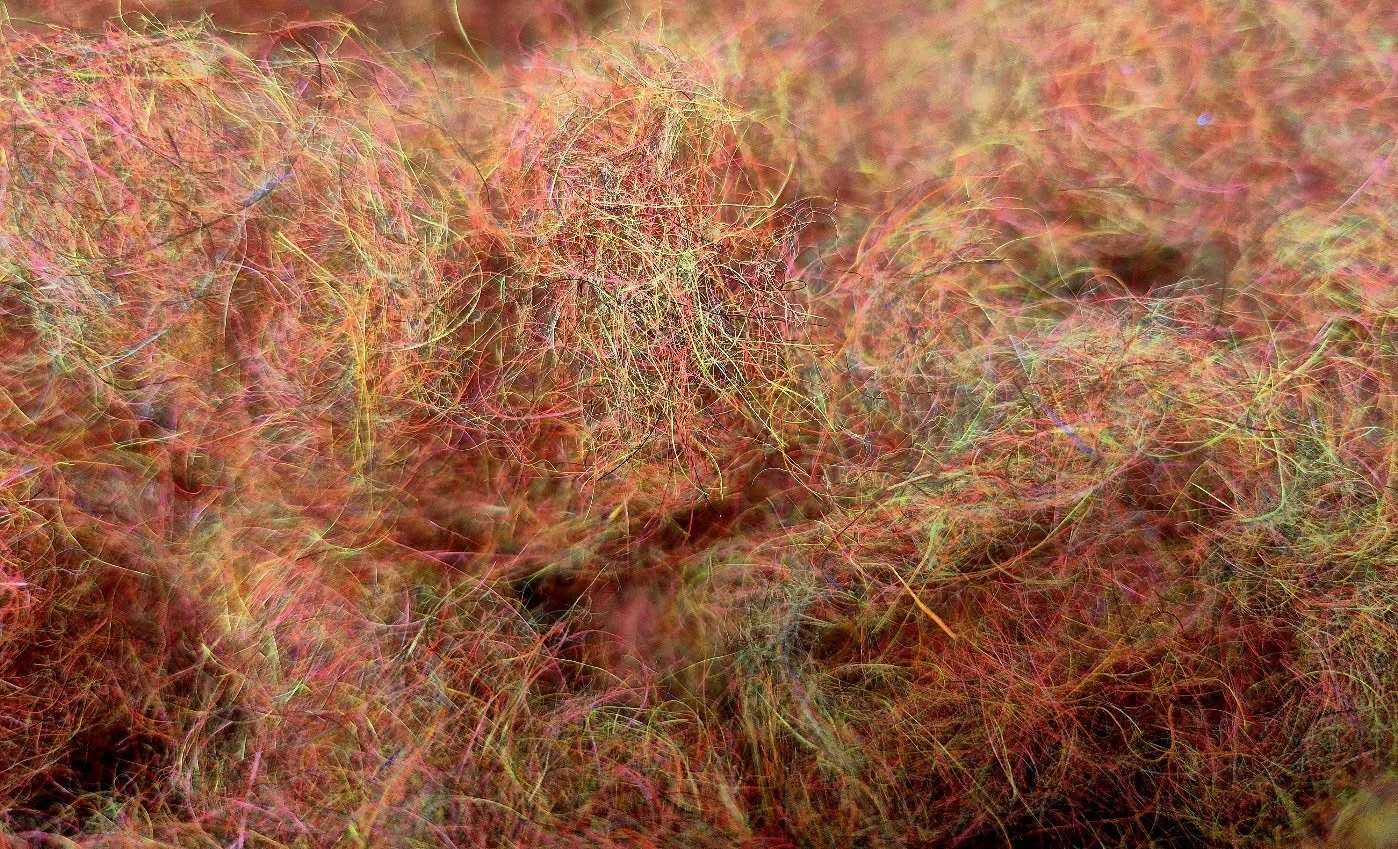
In fly dressing, “dubbing” refers to the process of using natural or synthetic fibers (or a blend) to create a body or thorax on a fly.
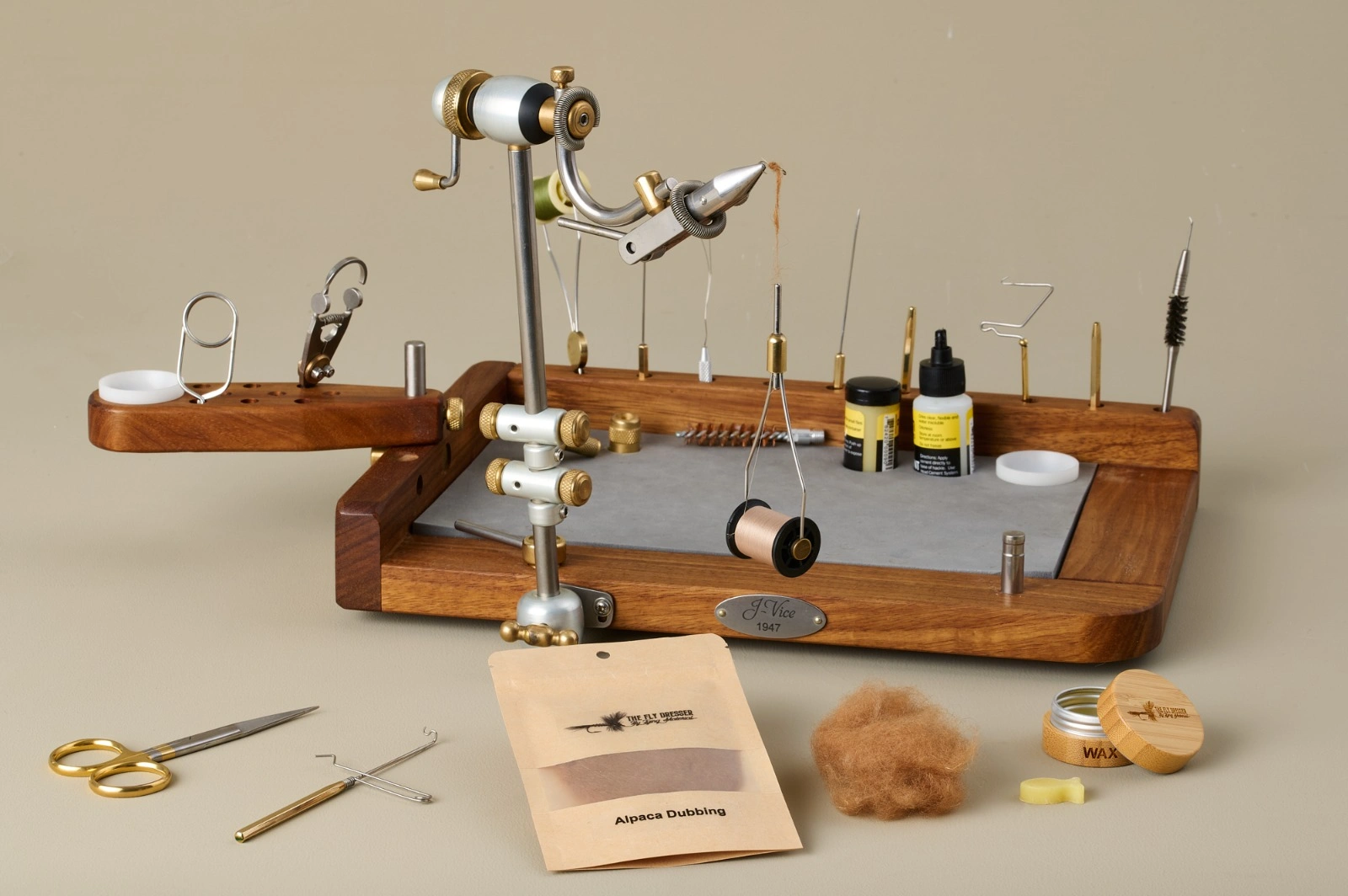
Fly dressing involves a variety of specialized tools, each designed to perform specific tasks. Here’s a breakdown of essential fly dressing tools and their purposes:
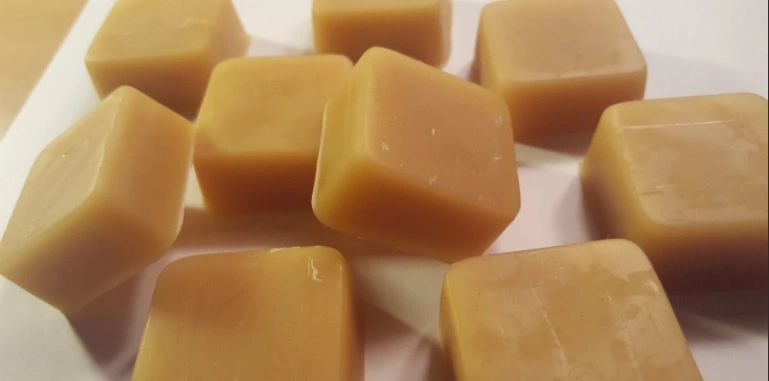
In fly dressing, wax, often dubbing wax, is used to help materials like dubbing and thread adhere to each other.
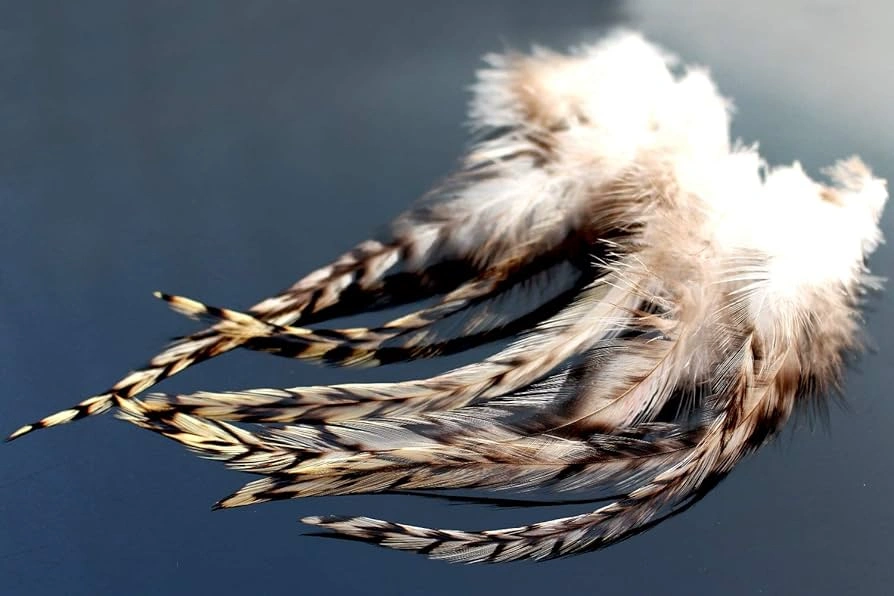
Hackle feathers are the long, slender feathers found on the neck and back of birds.
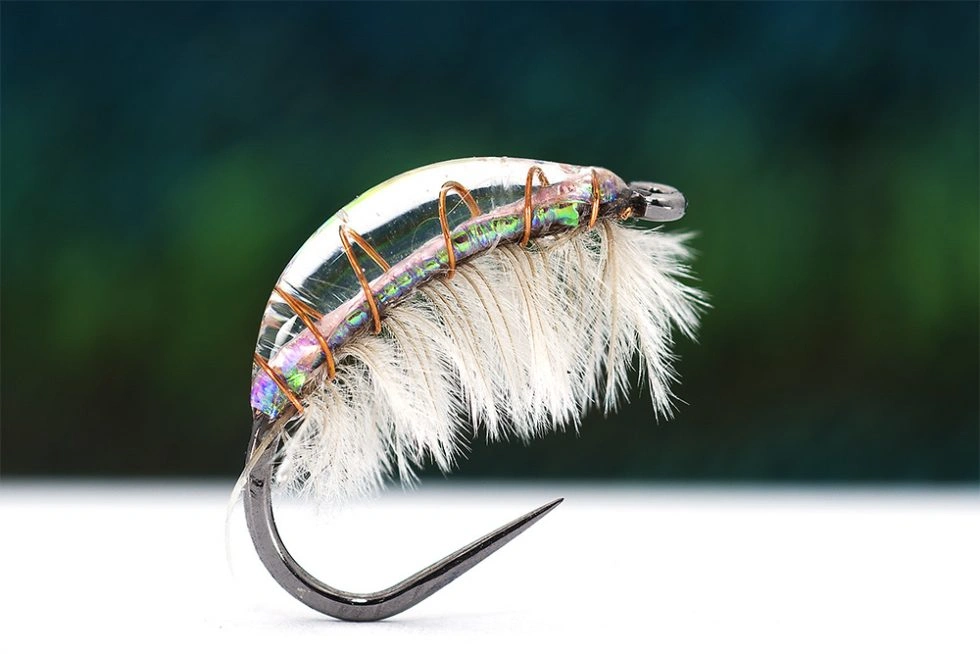
UV resins for fly dressing come in various viscosities (thin, medium, thick) and finishes (clear, colored, flexible).
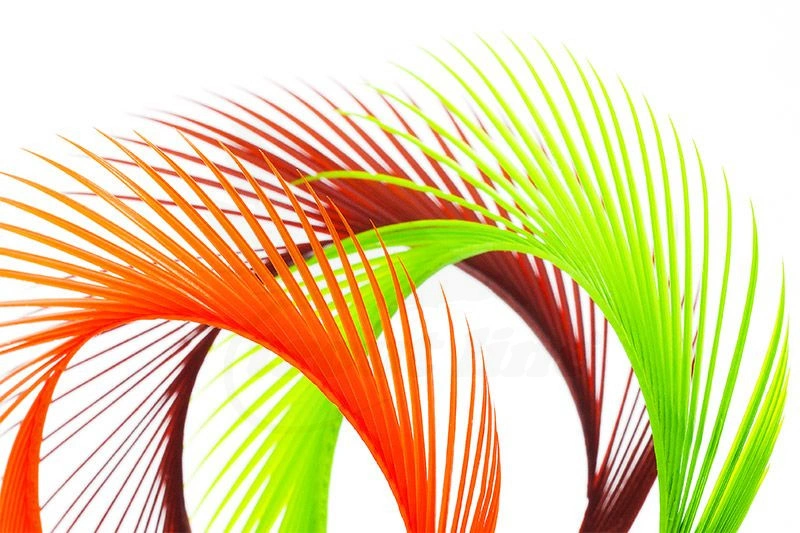
In fly dressing, “biots” are the short, stiff fibers used to create tails, wings, bodies, and other features on flies, particularly in nymph patterns.
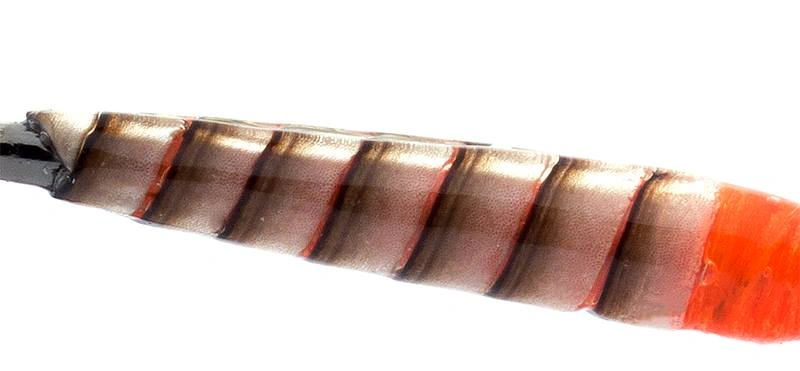
Quills are used to create segmented bodies or wings on flies.
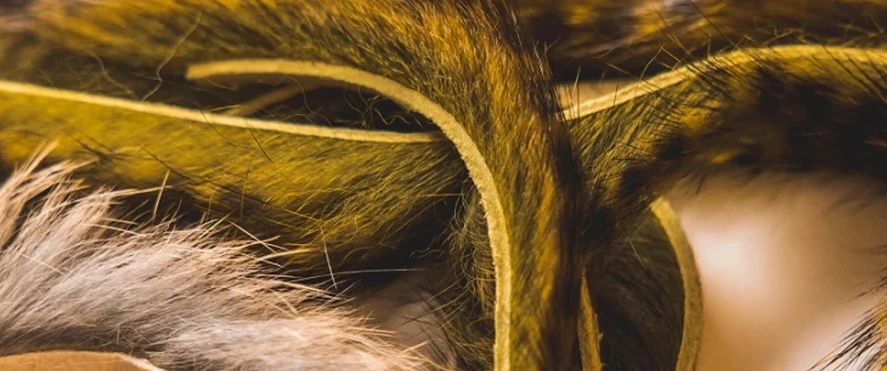
Rabbit strips (Zonker) are strips of tanned rabbit hide, with the fur still attached, used to create lifelike movement and texture in flies.
